The Permission Slip in the Envelope: Why a Gift Receipt Belongs With the Present
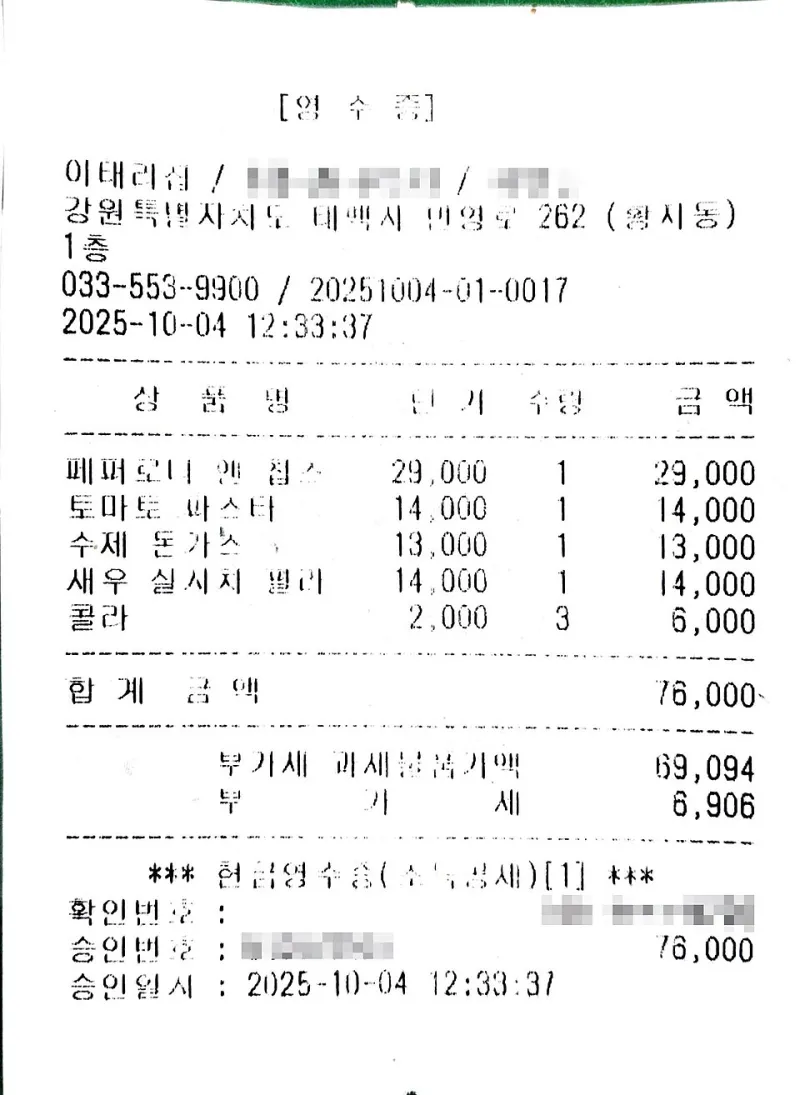
Photo: 이태리집(태백시 소재), Public domain, via Wikimedia Commons
There is a particular kind of silence that follows a wrapped present when the recipient opens it, smiles, and says, “Oh, lovely.” Sometimes that silence is genuine delight. Sometimes it is the sound of someone quietly wondering whether the jumper is meant to be quite that shade of mustard, and whether it would be rude to ask where it came from.
A gift receipt is the small, unglamorous answer to that silence. It is not a confession that you got it wrong. It is not a hint that they should swap it. It is simply a bit of breathing room — a permission slip tucked into the envelope that says: I chose this for you, and I would rather you had something you actually use.
At Gifts in Mind, we spend a lot of time thinking about the choosing. But thoughtfulness doesn’t stop at the till. A good gift is also one that doesn’t trap the person receiving it.
The bit nobody puts on the wish list
We tend to plan gifts around the moment of opening: the paper, the card, the expression. We think far less about the Tuesday afterwards, when the recipient is holding a coat in the wrong size or a candle in a scent that makes them sneeze.
That is where the gift receipt earns its keep. It lets the present stay generous without becoming a small burden. It says, in the most practical terms possible, that you care about what happens after the ribbon comes off.
It is also a useful reality check for the giver. If you feel uneasy about including a gift receipt, ask yourself why. Is it because you think the gift is perfect? Or is it because you are quietly hoping they won’t have a different opinion? Giving well means accepting that the person receiving the gift gets a say in whether it works for them.
What a gift receipt is — and isn’t
A gift receipt is usually a stripped-back version of a normal receipt. It shows what was bought, when, and sometimes an order number, but it leaves out the price. That last part matters. It keeps the present from turning into a scorecard.
It is not the same as a full receipt, and it is not a guarantee. Shops can still apply their own rules on time limits, condition, packaging and whether they offer refunds or exchanges. A gift receipt is a courtesy from the retailer, not a universal passport to the returns desk.
Nor is it an admission that you bought something random. Even the most thoughtful present can be the wrong size, the wrong colour or the wrong flavour of tea. Including the receipt is simply good hosting. You have invited someone into your choice; now you are letting them move the furniture around a bit.
How to include one without making it weird
This is where people get stuck. Handing over a gift receipt can feel like saying, “I assume you’ll hate this.” It doesn’t have to. The trick is to keep it light and brief — and to put it in the card rather than on top of the present.
A simple line is enough: “Gift receipt is in the card — no pressure, just in case.” Or: “I kept the receipt in case the size isn’t right.” That’s it. No speech. No long explanation. No apologising for a gift that hasn’t been rejected yet.
If you are buying online, tick the gift option where the shop offers one. Many UK retailers will include a gift message and omit the price on the paperwork, and some will let you print a gift receipt from your account. In store, ask at the till for a gift receipt rather than putting the ordinary receipt in the bag. It takes ten seconds and saves a lot of folding and frowning later.
One practical note: keep the gift receipt with the card, not loose in the wrapping paper. Wrapping paper has a short and dramatic life. Cards tend to survive.
UK shops that make the swap simple
Returns policies change, so it is always worth checking the current details before you buy. But some UK retailers are generally easier than others when it comes to gift returns.
John Lewis is a reliable example: gift receipts are commonly offered, and the returns process is well set up for people who received rather than bought the item. Marks & Spencer is similarly straightforward for many clothing and home gifts. Argos and Boots tend to be practical for smaller presents, and Amazon’s gift-order system lets you send an item with the price hidden and a gift receipt available to the recipient.
Smaller independent shops can be just as accommodating, but it is worth asking at the counter. “If it isn’t right, what’s your returns position on gifts?” is a perfectly normal question. A good shop will answer it without making you feel like a nuisance.
What the law does (and doesn’t) require
Here is the bit worth knowing before you wrap. UK law does not say that every gift must come with a gift receipt, and it does not give someone an automatic right to a refund or exchange because they don’t like the colour.
The Consumer Rights Act 2015 gives consumers rights when goods are faulty, not fit for purpose or not as described. Those rights belong to the person who bought the item, not automatically to the person who received it. A gift receipt can help a recipient sort out a faulty item, but it is not a legal magic wand. If something has gone wrong with a product, the purchaser may still need to be involved.
For online purchases, there is also a 14-day cancellation right for many items, but that right belongs to the buyer. It is not a general “recipient’s remorse” clause.
So the gift receipt sits in a useful middle ground. It is not required by law, but it makes the shop’s own policy much easier to use. It is a small piece of paperwork that turns a potential stand-off into a simple queue at the customer service desk.
A small note that does a lot of work
There is something quietly decent about giving someone permission to say no. It takes the pressure out of the present. It means the gift can be enjoyed even if it is enjoyed by being exchanged for something else.
And for the giver, it is a useful exercise in letting go. You chose well. You thought about them. You wrapped it. Then you handed over the final bit of control — the bit that says: this is yours now, and you get to decide what to do with it.
That is not a lack of confidence in your gift. It is the opposite. It is confidence with good manners.
So next time you are at the till, ask for the gift receipt. Tuck it in the card. Add a line so brief it barely counts as a line. Then let the present be a present — with a graceful way out built in.