The New-Face Gift: What to Bring When You Hardly Know Anyone
There’s a particular kind of panic that sets in when you read a guest list and realise you’ve met roughly two people on it. You’ve been invited to dinner, a birthday, a wedding or a Christmas drinks do, and the polite thing is to arrive with something. But what do you bring for someone you’ve spoken to for eight minutes at a party, or a new in-law you’ve only seen in photographs?
The plus-one problem isn’t really about money. It’s about calibration. A bottle of wine can feel like a shrug; an expensive candle can feel like a message you didn’t mean to send. The sweet spot is a present that says “I noticed” without saying “I know you deeply, apparently.”
Observation beats expense
If you only know three facts about someone, use them. They mentioned they’re off caffeine. They said they love a Sunday car boot. They’ve just moved to a flat with no outside space. That’s enough to build a small, specific gift around.
Expensive presents create obligation. Specific presents create ease. A £6 bag of good decaf coffee from a local roaster, chosen because you remembered a passing comment, will land better than a £40 hamper that could have been bought for anyone. The thought isn’t in the price tag; it’s in the evidence that you were listening.
This is especially true for new in-laws. You’re not trying to prove you’re brilliant at gifting. You’re trying to show you’re paying attention. A jar of chutney from a farmers’ market they mentioned, or a tin of proper tea from the deli near your work, does that job neatly.
The £15 sweet spot
For almost-strangers, a soft budget of £10 to £25 is usually about right. It’s enough to be a proper present, but not so much that the receiver feels they need to reciprocate or worry about where to put it.
And yes, that means avoiding the wine-and-chocolate default unless you know they drink or eat it. Wine is fine if you know their taste. Chocolate is fine if you know they’re not avoiding it. But as panic buys, they’re forgettable. Better options tend to be small, useful and a bit personal:
- A bag of good coffee or loose-leaf tea, with a note about why you chose it.
- A nice bar of soap or hand cream from a local maker — unscented if you don’t know their preferences.
- A small notebook and a decent pen for the person who said they’re trying to be more organised in 2026.
- A jar of something local — chutney, honey, marmalade — that can be eaten and doesn’t need shelf space forever.
- A potted herb for someone who cooks, if they have a windowsill and you’re not turning up with a needy fern.
- A pocket-sized book of local walks if they mentioned weekend wandering.
For a partner’s friends, think about the context you’re walking into. If it’s a games night, a small, good-quality deck of cards or a pub quiz book can be a hit. If it’s a dinner party, a thoughtful edible thing for the table is safer than another ornament. If it’s a wedding where you’re the plus-one, check whether your partner has already contributed to a group gift or card. Turning up with a separate grand present can make the couple feel awkward and your partner feel undermined.
Don’t out-gift the host
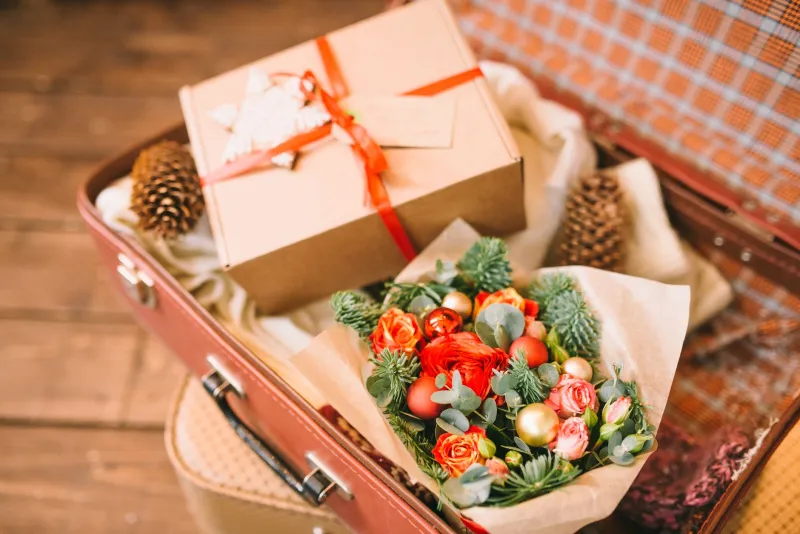
If you’re staying with someone you barely know, the present should be gone by Sunday night. Breakfast items, good coffee, a nice loaf, a box of decent biscuits, or flowers that don’t require a vase hunt. The point is to be helpful, not to leave them with a decorative object they have to pretend to love.
At a wedding, the couple’s gift list or group card is usually the main event. As a plus-one, your role is support, not one-upmanship. A card with a warm note and a small contribution to the group present is often the most graceful move.
When a card is the whole gift
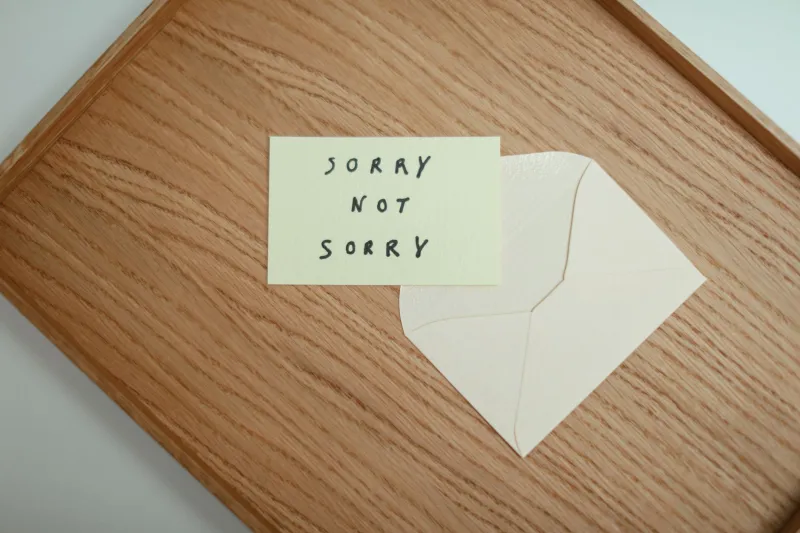
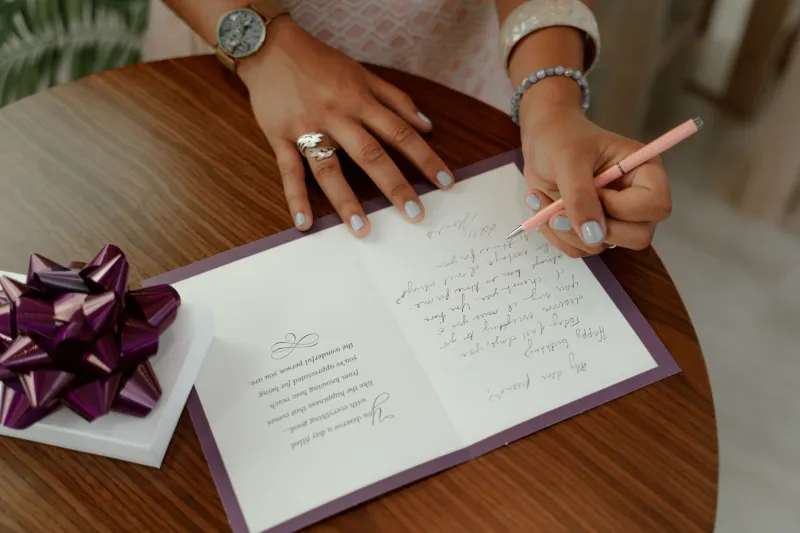
Sometimes a card and a genuine note are more thoughtful than a present. If you’ve met once, if the occasion is formal, if the person has said “no gifts” or if you genuinely have no useful information to go on, a card is not a cop-out. A bad gift is a cop-out. A card that says something real is a gift in itself.
Keep the note specific. Avoid “I didn’t know what to get you.” Try something like: “Thanks for making me feel welcome at Sunday lunch — the Yorkshire puddings were elite.” Or: “I remembered you said you were trying to cut down on caffeine, so this is the good decaf. No pressure to drink it before noon.”
A card works particularly well for colleagues’ partners, new neighbours and people you’re likely to see again but don’t know well yet. It acknowledges the occasion without pretending to a closeness that isn’t there.
A final check
Before you buy, ask three questions. Would I be happy to receive this from someone I’d met twice? Does it require the receiver to store, display or regift something they didn’t ask for? Is there a note that makes it clear why I chose it?
If the answers are yes, no and yes, you’re probably fine. The best gifts for almost-strangers aren’t the most impressive ones. They’re the ones that make the room feel a little less awkward and the new face at the table feel a little more welcome.