The £20 Thoughtfulness Test: Small Gifts That Say You Noticed
Some of the best presents are not grand gestures. They are small pieces of proof that you were paying attention. A £4 tin of tea chosen because you know they drink it at 3pm. A notebook that matches the colour of their kitchen. A packet of seeds from the garden centre they keep meaning to visit. In 2026, with budgets still tight and shelves full of novelty, the under-£20 gift is having a quiet moment. Thoughtfulness is not about spend. It is about specificity.
At Gifts in Mind, we like a gift that feels like a sentence only you could have written. Here is a guide to small presents that land well, organised by the person and the moment.
Start with the person, not the price tag
Before you open a single shopping app, ask three questions. Where does this person spend their time? What do they quietly moan about? What do they love but never quite buy for themselves? The answers usually point to a better gift than any trending list. A good under-£20 present is not cheaper than a thoughtful one. It is simply thoughtful at a smaller scale.
For a new home
New-home gifts often drift towards candles and coasters, which is fine until you own seventeen of each. Better choices are useful, consumable or quietly decorative. A small bottle of good olive oil from a local deli feels celebratory without demanding shelf space. Local honey, a nice tea towel, a herb pot, a box of nice biscuits or a single stem in a jam jar all say welcome without saying clutter.
If you want something that lasts, try a pretty enamel mug, a small framed print from an independent illustrator, or a fridge magnet from a gallery shop. Pair it with a handwritten note about the first meal you plan to share there. UK shops worth a look include Oliver Bonas for small home bits, M&S for reliably nice foodie gifts, and local garden centres for plants that are harder to kill than they look.
For a new job
A new-job gift should be encouraging, not a commentary on their old commute. A good notebook and a decent pen are classic for a reason. A desk plant, a pocket diary, a tin of nice tea, a coffee voucher for the first week, or a small hand cream for the office drawer all work well. Keep it light and practical. Avoid joke mugs about hating work unless you know the recipient very well indeed.
If they are starting remotely, send something that arrives by post: a bookmark, a set of sticky notes, a small candle for the desk, or a subscription to a magazine they actually read. The message matters more than the item. ‘Congratulations — you will be brilliant’ on a card beats a novelty desk toy every time.
For a thank-you
Thank-you gifts are where small budgets shine. You are not trying to repay a favour with an object. You are trying to close the loop with warmth. Fancy chocolate, bath salts, a mini candle, a bookshop voucher, a bunch of supermarket flowers, homemade biscuits or a charity donation pin all fit the brief. So does a really good card.
For something more personal, think about the favour itself. If someone fed your cat, a tin of nice coffee and a note about the cat’s dramatic behaviour is charming. If someone helped you move, a takeaway voucher is honest and useful. If someone listened when you needed it, a small book you think they would love can be a quiet way of saying you noticed.
For just because
Just-because gifts are the best kind. They have no obligation attached. A second-hand book from a charity shop, a postcard from a gallery, a packet of wildflower seeds, a nice lip balm, a pair of socks in a colour they actually wear, or a magazine from a local newsagent can all work. The trick is to attach a note explaining the link. ‘Saw this and thought of your balcony’ is enough.
You can also bundle small things. A paperback, a bar of chocolate and a tea bag is a decent evening in a paper bag. A seed packet, a plant pot and a handwritten label is a tiny garden. Bundles feel generous because they show a bit of planning, not because they cost more.
Birthdays and Christmas 2026 on a budget
If you are buying for several people this year, set a cap and stick to it. A £15 limit can be freeing. It forces you to choose rather than panic-buy. Shop early at local markets, independent bookshops, delis and craft fairs. High-street staples such as Waterstones, John Lewis, M&S and Flying Tiger can fill gaps, but a quick look at a local high street often turns up something less generic.
For Christmas 2026, consider consumables: nice jam, good chocolate, a small candle, a bag of coffee, a cheese board from a deli. They are easy to wrap, easy to post and easy to use. If you are posting gifts, check the size and weight before you fall in love with something heavy. A beautiful card and a £10 bookshop voucher can travel further than a fragile ornament.
The wrapping is part of the gift
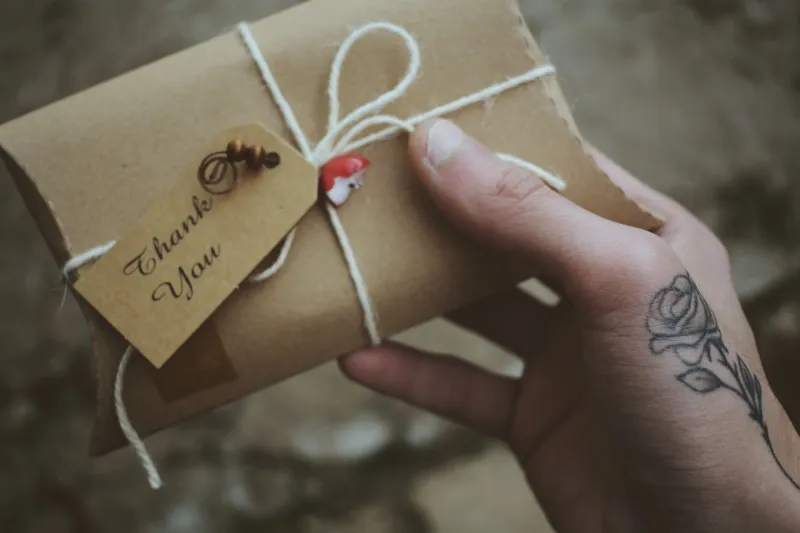
A small gift can feel bigger with a little care. Brown paper, string, a sprig of rosemary and a handwritten tag cost almost nothing. Reuse a nice box. Write the card properly. Mention the reason you chose it. That is the bit people remember. The £20 thoughtfulness test is not about hitting a number. It is about showing that the person, not the price tag, was the starting point.
At Gifts in Mind, we think that is the whole point. A present can be small, useful and slightly odd in a way that only makes sense to the two of you. That is not a compromise. That is a good gift.